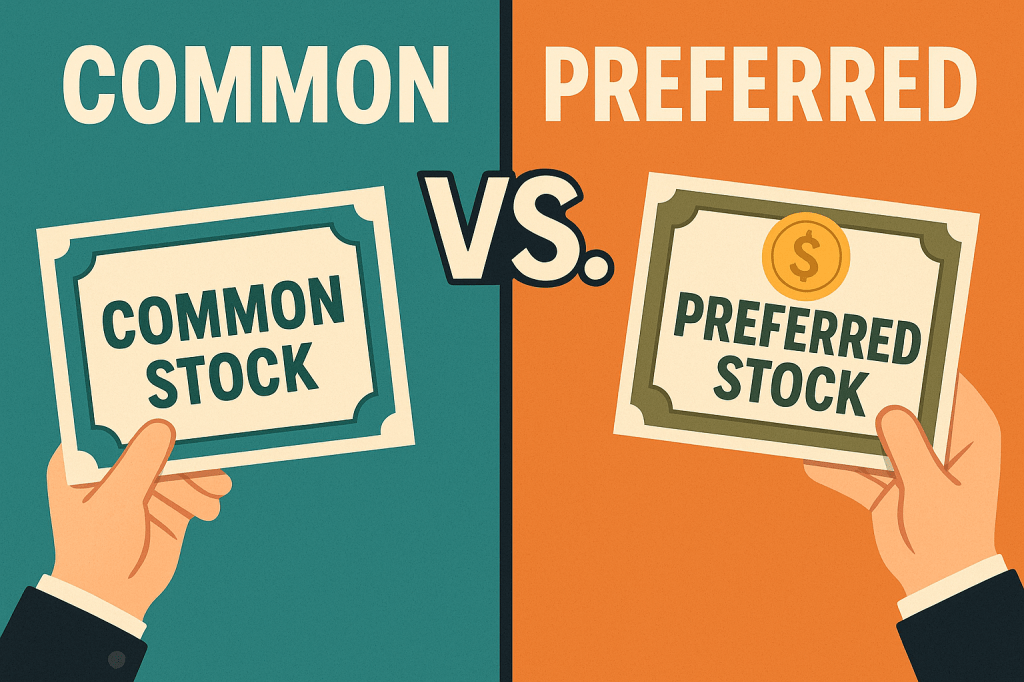
In Silicon Valley, company structures evolve almost as fast as the technology itself. The latest twist: a growing number of startups are adopting a special share class for founders, called Founder Preferred Stock. According to data from Aumni, about 11% of startups that raised venture capital in the first half of 2025 introduced this structure—nearly double the share from just two years ago.
The mechanism is simple, but powerful. These shares behave like ordinary common stock held by founders, but with a built-in option: at the time of a sale, they can convert into preferred stock. That makes them easier to sell, provides tax advantages, and ensures founders aren’t disadvantaged compared to outside investors or employees with options.
The benefits are clear. Founders get a safer path to partial liquidity. They don’t need to push for a premature “early tech exit” just to secure personal financial stability. Instead, they can focus on building for the long term. And for those who have been through the rollercoaster of founding a company, a small secondary sale can be the difference between sleepless nights and a renewed commitment to scaling.
But critics warn of the flip side. More preferred shares in the liquidation stack mean employees risk being pushed further down the line. Even if most employees never notice the mechanics, the perception can be dangerous: “Are the founders cashing out because they’ve lost faith in the company’s future?” For investors, too, founder secondaries often carry mixed signals. They can be seen as prudent de-risking, or as an early sign of misalignment.
Will this become the new standard in startup financing? Probably not, at least not outside the U.S. While high-profile companies like Stripe, Anduril, or today’s AI darlings can push these terms, in Europe, especially on the continent, founder-preferred shares remain rare. Without strong negotiating power, few founders can expect to secure them. And culturally, many European investors remain skeptical.
Still, the trend is telling. In an ecosystem that often celebrates founders who “go all in,” Founder Preferred Stock acknowledges a simple truth: building a company is risky, and ensuring that founders aren’t left empty-handed can ultimately align incentives rather than undermine them. The balance between security and trust, however, will remain delicate.
 Max Meister
Hinterlasse einen Kommentar