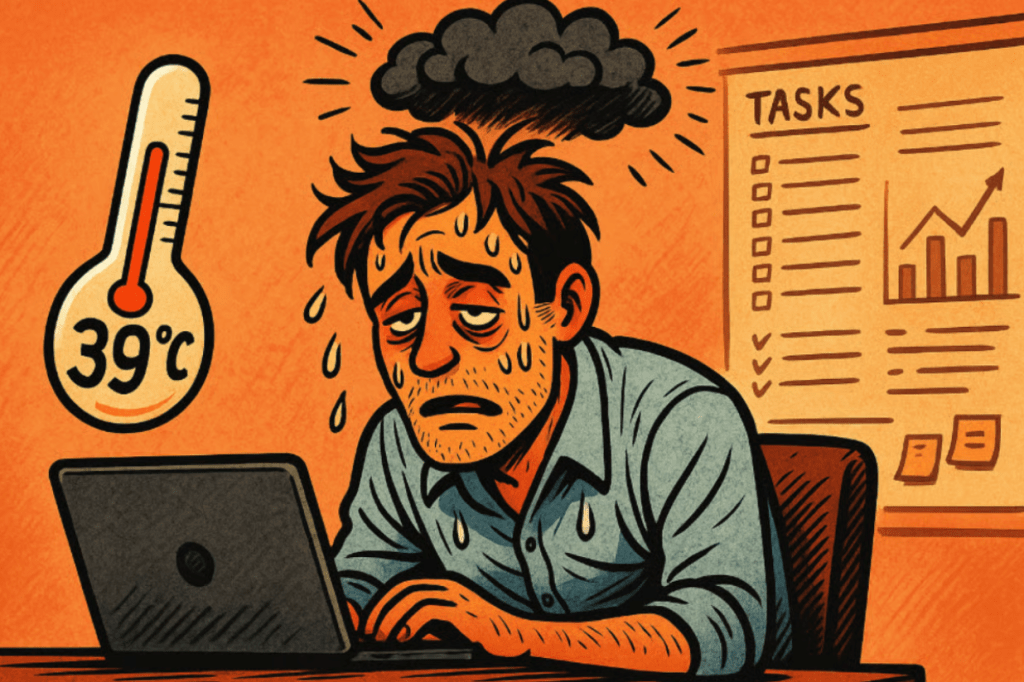
Building a company is often glamorized as a heroic act. Founders are praised for their resilience, vision and relentless drive. But behind the pitch decks, board meetings and product launches lies a truth that’s far less glamorous and far more human: the growing mental toll of entrepreneurship.
In a recent episode of our Burn Rate podcast, we dedicated time to a topic that is still too often underestimated in the world of startups: founders‘ mental health. It’s a subject that deserves more open dialogue, not just behind closed doors, but within the venture ecosystem at large.
A recent Sifted survey of 160 European founders found that over half of them reported being in a burnout-like state during 2024. That’s not just a warning light, it’s a system-level signal. It reflects a chronic underestimation of the psychological costs associated with building a company, especially under high-growth, high-stakes expectations.
The Founder Myth and the Reality
Founders are often expected to do it all: inspire teams, pitch investors, iterate product, close sales and manage crisis after crisis. But the emotional bandwidth required to do all this, often while masking fear, fatigue and failure, is rarely acknowledged. In the Sifted study, founders expressed difficulty in carving out time for basic self-care, let alone rest or reflection. Things like healthy meals, sleep, exercise, or even spending time with friends were sidelined by the endless demands of building a company.
This kind of reframing is powerful. Rather than seeing self-care as a luxury, it becomes a strategic necessity. Because when the founder breaks, the company often follows.
Work-Life Balance Is Dead – Long Live Work-Life Integration
The traditional notion of “balance” between work and life may no longer fit the entrepreneurial reality. Several founders in the Sifted report argue for integration over separation. That means designing a daily rhythm where moments of recovery and joy are built in, not tacked on.
That could mean a long lunch break to work out, a flexible start to the day to have breakfast with children, or carving out tech-free evenings for recovery. In an era of hybrid work, these choices are more feasible than ever. But they require a cultural shift, not just from founders, but also from boards and investors.
Investor Expectations and the Mental Health Paradox
This brings us to an uncomfortable question: Do venture capitalists contribute to the pressure that founders feel?
The answer, if we’re honest, is yes, at least in part. The expectation for constant growth, aggressive targets and hyper-responsiveness to reporting cycles can create an environment where founders feel like they can never switch off.
At Koyo, we’ve had candid discussions about this. We believe in ambition and performance, but we also believe that no startup can be sustainably built on the burnout of its founders. We must distinguish between intensity and overload, between ambition and anxiety.
As VCs, we need to ask ourselves: What tone are we setting in board meetings? Are we leaving room for vulnerability, or only performance? Do our portfolio check-ins include time to ask, “How are you doing, not just the business?”
Rethinking the Role of VCs in Founder Well-being
Burnout rarely announces itself with a siren. It builds quietly through sleep loss, short tempers, low morale and the loss of joy in work that once felt purposeful.
We believe the VC – founder relationship must evolve. Beyond term sheets and board seats, we must think about our responsibility as long-term partners.
That could mean:
- Regular non-KPI check-ins with founders to talk about their wellbeing
- Access to executive coaching or mental health support as part of post-investment services
- Building psychological safety in board dynamics, where vulnerability is not penalized
- Supporting founders in designing sustainable work cultures from the top down
One of the biggest shifts we can make is cultural: normalizing mental health as a topic in founder circles. Too often, entrepreneurs feel pressure to project strength and stoicism. But real strength lies in honesty, not bravado.
In the Burn Rate episode, we shared examples from founders who have taken conscious steps to protect their mental health, by saying no to toxic hustle culture, by setting clear boundaries, by choosing investors who understand that sustainable growth includes emotional resilience.
Final Thought
If we want extraordinary outcomes, we need healthy minds to build them. At Koyo Capital, we believe that founder well-being is not a soft topic, it’s a hard prerequisite for long-term success. We commit to continuing this conversation openly, learning from the founders we back and supporting not just their companies, but their health and humanity.
If you’re a founder reading this and feeling the weight: you’re not alone. And if you’re an investor: ask yourself what you can do to share the load.
Let’s make it okay to talk about mental health, not just in private, but as a core part of how we build.
 Max Meister
Hinterlasse einen Kommentar